The Environment Department has been formally established and today launches its official website at environment.gov.vin, where energy reporting requirements and site resilience standards will be published.
Latest news
All news- Energy Reporting Requirements and Efficiency Targets Published
Member organisations must now report five energy figures for each registered site. The first quarterly reports fall due 30 days after the end of the quarter in which a site is registered.
- Resilience Standards for Physical Sites Published
Four standards, covering power, cooling, flood and fire, now apply to every building or room in which a member organisation houses equipment connected to the Network.
- Emissions Monitoring Network Transferred to the Department
Six monitoring stations previously operated by member organisations pass to the Department today, with a further six to be commissioned. Readings will be published in aggregate after each quarter.
About the Department
The Environment Department of the Velocity Interoperability Network is responsible for the energy used by the physical sites of the Velocity Interoperability Network, for the emissions that follow from it, and for the resilience of those sites against loss of power, loss of cooling, flood and fire.
The Department was established on 6 September 2026. Its reporting requirements, targets and standards, the register of sites and the monitoring network are published on this site.
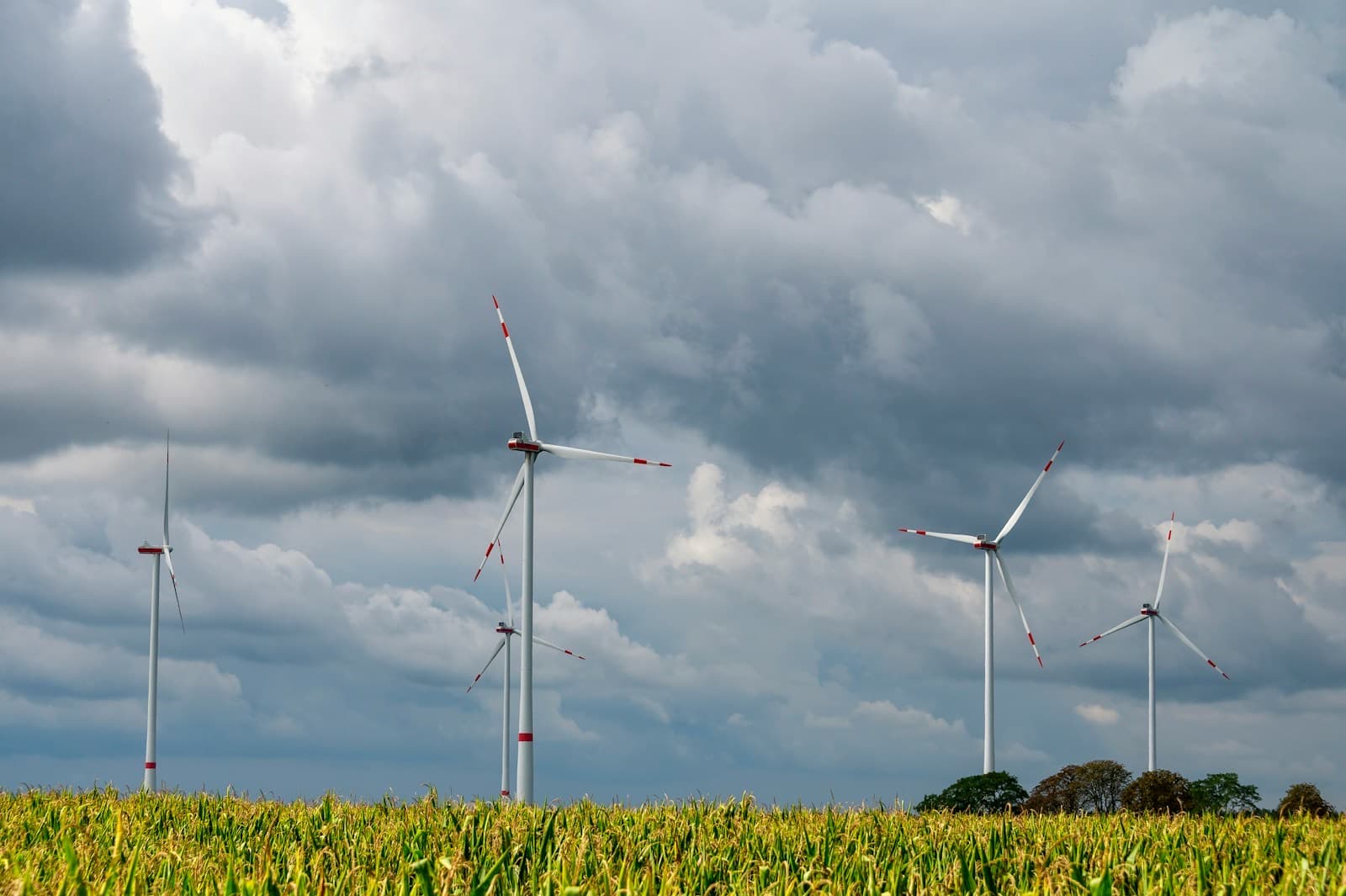
Standards, registers and guidance
- Energy
Energy reporting requirements and efficiency targets for member sites.
- Emissions and monitoring
How emissions are counted, the factors used and the Network's monitoring stations.
- Sites
Resilience standards for physical sites: power, cooling, flood and fire.
- Register of sites
The register of the Network's physical sites and their assessment status.
- Incidents
What counts as a resilience incident, how it is classed and how it is reported.
- How to report
The reporting calendar and the steps a member organisation follows.
In figures
History of the Department- 1.4
- Target power usage effectiveness at every site
- 3%
- Minimum annual reduction in electricity per unit of equipment
- 50%
- Minimum share of electricity from low-carbon sources
- 48
- Hours of generator fuel required at every site
- 12
- Physical sites on the register at its opening
- 12
- Monitoring stations in the initial network
- 4
- Resilience standards: power, cooling, flood and fire
- 60
- Days after reports fall due within which aggregate figures are published
Site resilience
Every registered site is assessed against the standards for power, cooling, flood and fire on registration and at intervals of no more than three years thereafter. A site that does not meet a standard is given a date by which it must comply, and the status of every site is shown on the register.
An event that calls upon or defeats one of the standards is a resilience incident, to be notified to the Department within the deadline for its class.

Emissions and monitoring
The Department calculates the emissions of every site from the figures member organisations already report, using a common set of factors so that each site is counted on the same basis. Twelve monitoring stations, six of them operating, provide an independent check on the reported figures.